

Why Kitchen and Bathroom Water Leaks Should Never Be Ignored
Most kitchen and bathroom water leakage problems can be identified early and repaired before they become major plumbing emergencies. Whether it is kitchen sink leakage caused by a loose pipe connection or bathroom water leakage caused by damaged waterproofing or concealed plumbing, early inspection and professional repair can save time and money.
Kitchens and bathrooms are among the most frequently used areas in a home. Because water is used there every day, even a minor leak can gradually cause significant structural damage. This guide explains the common causes, warning signs, practical repair solutions, and maintenance steps that help keep your plumbing system in good condition.
Problems Caused by Ignored Water Leaks
- Higher monthly water bills
- Damaged kitchen cabinets, walls, ceilings, and floors
- Mold and mildew growth with unpleasant odours
- Electrical safety hazards in moisture-affected areas
- Expensive repair and renovation work
Understanding Kitchen and Bathroom Water Leakage
Identifying where a leak begins and recognising its early symptoms are the first steps toward a reliable, long-term repair.
Common Causes of Kitchen Sink Leakage
Kitchen plumbing is used constantly, so pipe connections, drains, and fittings can gradually loosen or deteriorate.
- Loose pipe connections: Joints beneath the sink may loosen because of vibration and regular use.
- Damaged sink drain: Cracked drain pipes or worn seals allow water to escape beneath the sink.
- Worn-out faucet connections: Old washers and connectors can cause continuous dripping.
- Clogged drain pipes: Food waste and grease buildup increase pressure inside the plumbing system.
- Corroded pipes: Ageing metal pipes may develop small holes and leaks over time.
Common Causes of Bathroom Water Leakage
Bathrooms contain several water-supply and drainage lines, along with tiled and waterproofed surfaces that can fail.
- Damaged waterproofing: Poor or deteriorated waterproofing allows moisture to seep through walls and floors.
- Broken tile grout: Cracked grout lines let water penetrate behind bathroom tiles.
- Leaking shower pipes: Concealed shower plumbing may develop hidden leaks inside walls.
- Toilet leakage: Loose fittings, damaged flush tanks, or faulty seals can cause continuous leakage.
- Basin pipe leaks: Drain pipes beneath wash basins commonly loosen through daily use.
Warning Signs to Watch For
These symptoms often mean moisture is spreading behind walls, inside cabinets, or beneath flooring.
- Damp cabinets or water pooling beneath sinks
- Peeling paint, cracked wall plaster, or ceiling stains below bathrooms
- Mold growth and a persistent musty smell
- Loose bathroom tiles or recurring wall seepage
- Reduced water pressure or unusually high water bills
How Professionals Determine the Leak's Origin
Finding the exact source is essential. Modern leak detection helps locate concealed problems without unnecessary wall or tile demolition.
- Sink drain connections, water-supply pipes, and faucet fittings
- Shower plumbing, toilet connections, and basin drainage
- Wall moisture levels and floor waterproofing condition
- Underground or concealed plumbing where necessary
DIY Fixes vs Professional Repairs
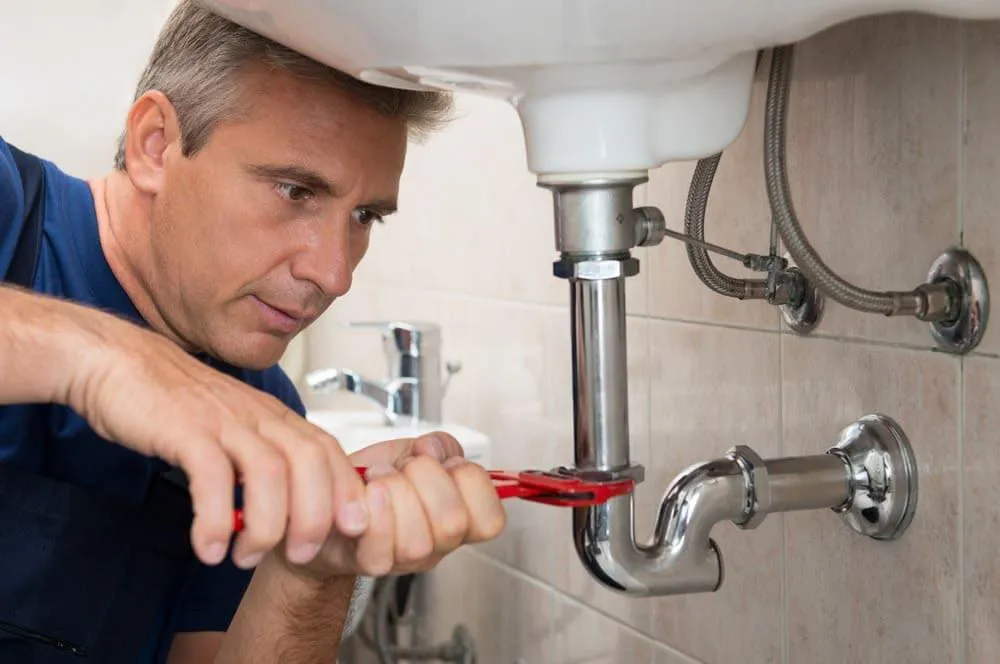
Small visible issues, such as replacing a faucet washer or tightening a loose connection, may sometimes be handled by homeowners. The area should still be monitored carefully to ensure the leak does not return.
Professional plumbers are recommended for concealed leaks, failed waterproofing, recurring moisture, or any problem whose source cannot be clearly identified. A professional repair addresses the root cause rather than only covering the visible symptom.
Handle Only Minor Visible Issues
Replace a worn faucet washer or carefully tighten an accessible loose connection. Turn off the water supply before beginning and stop if the leak source is uncertain.
Call a Professional for Hidden Damage
Professional help is needed for leaks inside walls, failed bathroom waterproofing, recurring cabinet moisture, spreading ceiling stains, reduced pressure, mold, or suspected underground plumbing.
Repair the Source, Not the Symptom
Accurate inspection, targeted pipe repair, restored waterproofing, and proper drying prevent the same leakage from returning and reduce long-term property damage.
A Small Bathroom Leak That Became a Bigger Problem
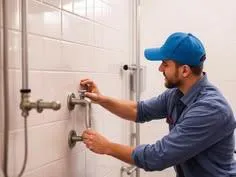
A homeowner contacted U Call We Fix after noticing a damp smell in the bathroom for several weeks. Although there was no visible pipe leak, paint on the adjacent bedroom wall had started peeling. During inspection, our team discovered a concealed leak behind the shower wall caused by a cracked pipe joint.
Professional leak detection located the exact source without unnecessary tile removal. The damaged pipe was repaired, waterproofing around the affected area was restored, and moisture-damaged plaster was replaced. Because the issue was addressed before spreading further, the homeowner avoided major structural repairs and significant renovation costs.
How to Prevent Kitchen and Bathroom Water Leakage
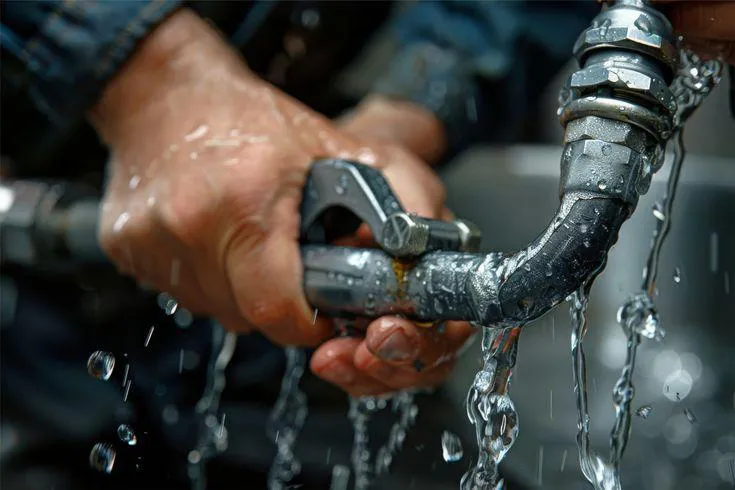
Simple, regular maintenance is less expensive than an emergency plumbing repair and can greatly reduce the risk of recurring leakage.
- Inspect sink pipes and faucet connections regularly.
- Avoid pouring grease into kitchen drains.
- Clean drain pipes periodically to reduce buildup and pressure.
- Replace damaged bathroom grout promptly.
- Maintain bathroom waterproofing before moisture spreads.
- Schedule annual plumbing inspections.
- Repair small leaks as soon as they are noticed.
- Monitor your monthly water bill for unexplained increases.
- Arrange professional leak detection for recurring damp areas.