

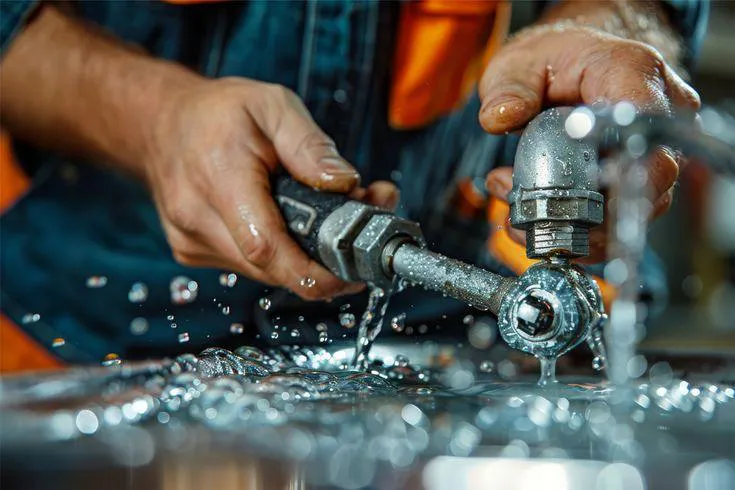
Why Water Leak Prevention Is Important
The good news is that most plumbing leaks can be prevented before they cause serious damage. Following a few simple leak prevention tips and regularly inspecting your plumbing system can save thousands in repair costs while protecting your property from long-term water damage.
In this guide, you'll learn how to stop water leakage, understand the most common causes of plumbing leaks, discover preventive maintenance practices, and know when it's time to call a professional leak detection expert.
Preventing water leakage is much easier and more affordable than repairing structural damage caused by hidden leaks.
Routine maintenance keeps your plumbing system working efficiently while reducing unexpected repair expenses.
Ignoring Small Plumbing Issues May Result In:
- High water bills
- Damp walls
- Ceiling stains
- Mold and mildew growth
- Peeling paint
- Damaged flooring
- Rotten wooden cabinets
- Electrical hazards
- Foundation damage
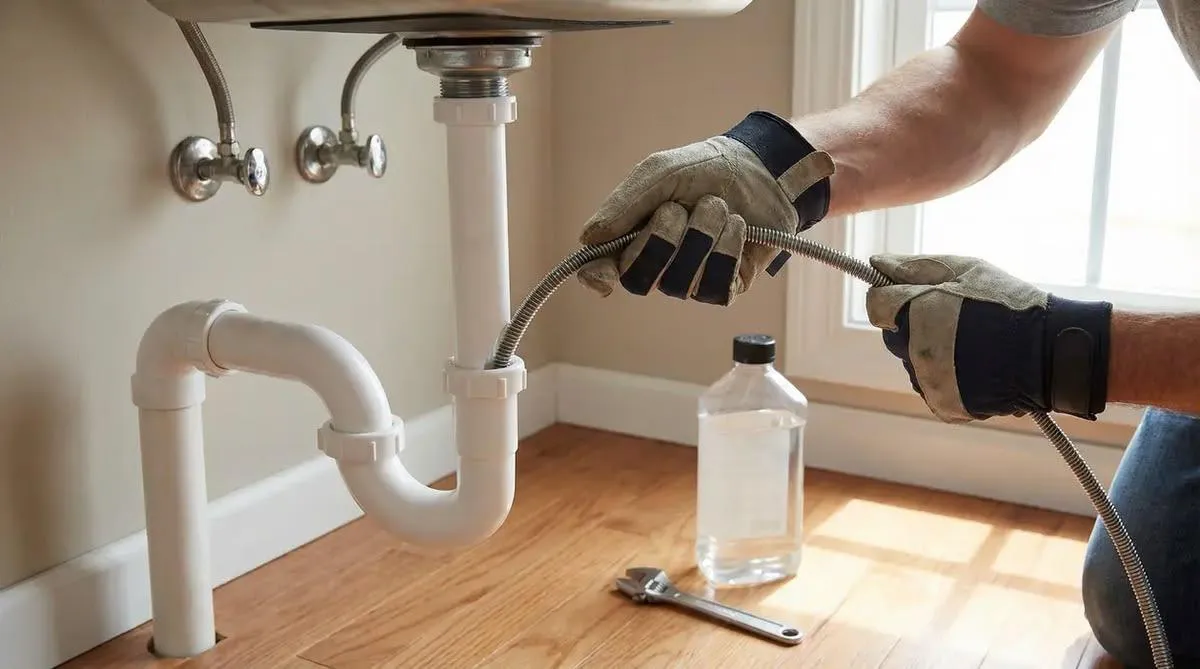
Common Causes of Water Leakage
Understanding the source of plumbing problems helps prevent future leaks.
Ageing Plumbing Pipes
Old pipes gradually weaken due to corrosion and wear, increasing the risk of cracks and leaks.
Loose Pipe Connections
Pipe joints beneath sinks, wash basins, and water heaters can loosen over time due to daily use.
High Water Pressure
Excessive water pressure puts continuous stress on plumbing fittings, eventually causing leaks.
Damaged Waterproofing
Poor waterproofing in bathrooms, terraces, and balconies allows moisture to enter walls and floors.
Clogged Drains
Blocked drains create pressure inside the plumbing system, increasing the risk of leaks and overflows.
Underground Pipe Damage
Tree roots, shifting soil, and ageing underground pipes can lead to hidden leaks that are difficult to detect without professional equipment.
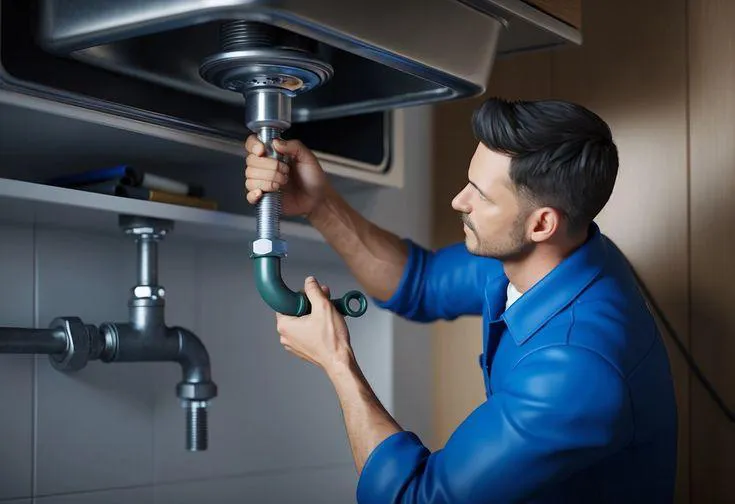
How to Stop Water Leakage
Preventive care is the best defence against plumbing problems. Use these practical steps to identify and correct small issues early.
Inspect Your Plumbing Regularly
Check exposed pipes beneath sinks, behind toilets, and around washing machines for signs of dripping water, rust, or corrosion.
Regular inspections help identify problems before they become serious.
Repair Small Leaks Immediately
Never ignore a dripping tap or a small pipe leak. Even a slow drip wastes water and may eventually damage nearby walls or flooring.
Fixing minor leaks early prevents larger plumbing failures.
Monitor Your Water Bill
A sudden increase in your monthly water bill often indicates a hidden plumbing leak.
Compare your usage each month and investigate unexpected changes.
Keep Drains Clean
Avoid pouring grease, oil, food waste, and hair into drains.
Clean drains reduce pressure on the plumbing system and help prevent pipe damage.
Replace Worn Plumbing Components
Old hoses, valves, flexible connectors, and washers should be replaced before they begin leaking.
Preventive replacement is far less expensive than emergency repairs.
Waterproof Wet Areas
Bathrooms, kitchens, terraces, and balconies should be properly waterproofed to prevent seepage and moisture damage.
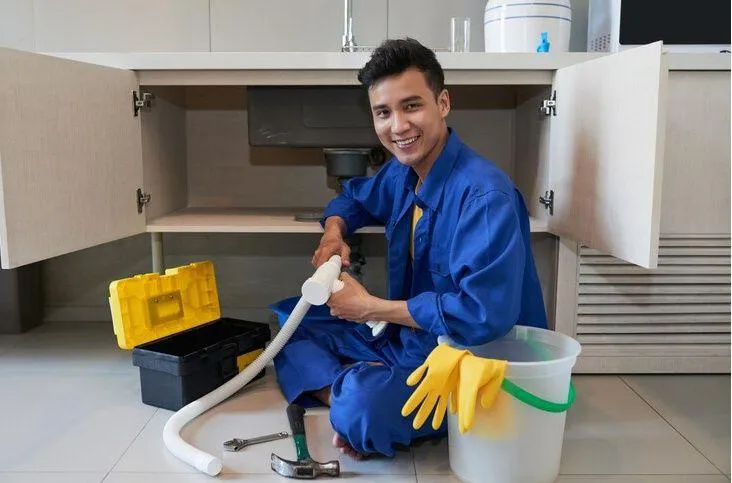
Leak Prevention Tips Every Homeowner Should Follow
Simple habits can greatly reduce the risk of future plumbing problems.
- Inspect visible pipes every few months.
- Tighten loose plumbing fittings.
- Repair dripping taps immediately.
- Clean kitchen and bathroom drains regularly.
- Check water pressure.
- Replace damaged grout around tiles.
- Keep roof gutters clean.
- Seal cracks in exterior walls.
- Protect exposed outdoor pipes.
- Schedule annual plumbing inspections.
Consistent maintenance helps prevent unexpected water leaks and costly repairs.
Warning Signs That You Shouldn't Ignore
Many plumbing leaks provide early warning signs.
Watch for:
- Damp walls
- Ceiling stains
- Peeling paint
- Musty smells
- Mold growth
- Water pooling beneath sinks
- Low water pressure
- Cracked plaster
- Unusually high water bills
Taking action early prevents further structural damage.
Inspect
Check visible plumbing, wet areas, walls, ceilings, and water usage regularly.
Repair
Fix dripping taps, loose joints, worn hoses, and damaged seals without delay.
Prevent
Maintain clean drains, safe water pressure, and proper waterproofing.
Real Experience: Preventive Maintenance Avoided a Costly Plumbing Emergency
One homeowner contacted U Call We Fix after noticing a slow drip beneath their kitchen sink. Instead of waiting until the problem became worse, they scheduled a preventive plumbing inspection.
During the inspection, our technicians discovered a worn pipe joint and a second hidden leak developing behind the kitchen cabinet. Although neither leak had caused visible damage yet, they would likely have resulted in swollen cabinets, damp walls, and mold growth within a few weeks.
Both damaged sections were repaired during the same visit. Because the homeowner acted early, they avoided expensive renovations and protected their home from long-term water damage.
This experience demonstrates how simple preventive maintenance often costs far less than repairing extensive water damage.
When Should You Call a Professional?
Contact a professional leak detection specialist if you notice:
- Hidden damp patches
- Recurring plumbing leaks
- Low water pressure
- High water bills
- Water stains on ceilings
- Mold growth
- Underground water leaks
- Leaks inside walls
Professional plumbers use advanced leak detection equipment to identify hidden problems accurately without unnecessary wall or floor damage.
Benefits of Preventing Water Leaks
Preventive maintenance offers several long-term advantages.
- Reduces water bills
- Prevents structural damage
- Protects furniture and flooring
- Extends plumbing lifespan
- Improves water efficiency
- Prevents mold growth
- Avoids emergency plumbing repairs
- Increases property value
Regular inspections are a small investment that delivers significant long-term savings.