

What Is Water Seepage in Walls ?
A leakage is the active escape of water from a pipe, roof opening, plumbing joint, or fitting. Seepage is the slow movement of that moisture through porous materials such as brick, concrete, plaster, tile joints, or paint. A water leak in a wall may begin at one point but appear as damp walls or discoloration several feet away because moisture travels through the structure.
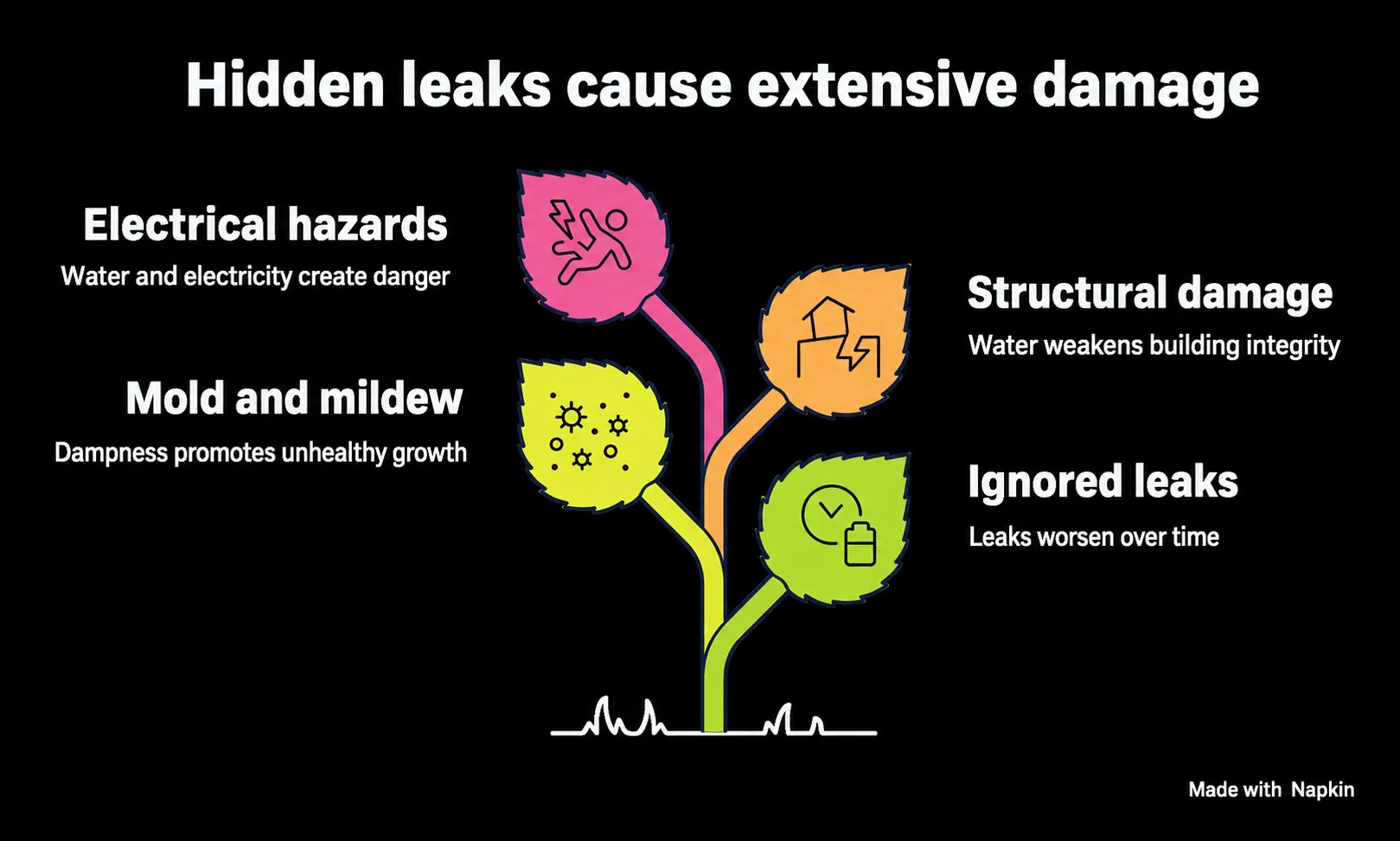
A hidden water leak is especially dangerous because it can continue unnoticed behind paint, plaster, cabinets, or tiles. Over time, moisture in walls can create mold, weaken plaster, damage electrical points, and increase the extent of water damage before the source becomes visible.
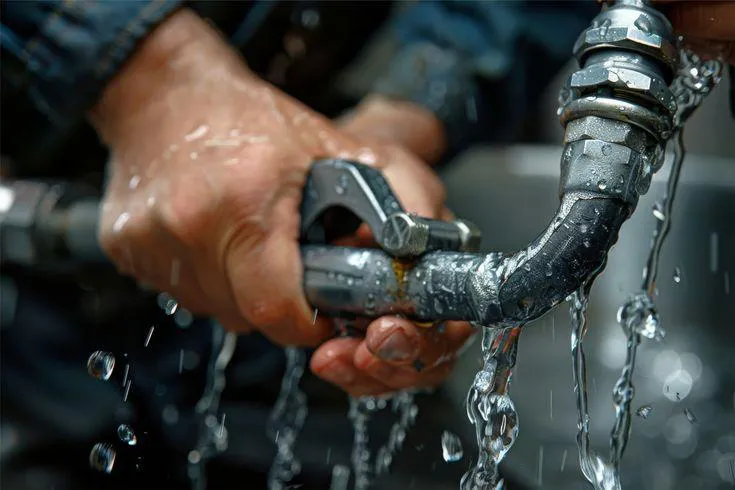
Common Causes of Water Seepage in Walls
Wall leakage can come from plumbing, rainwater entry, failed waterproofing, or damaged building surfaces. Finding the true source is essential because repairing only the visible stain will not solve the underlying problem.
Hidden Pipe Leaks
Plumbing lines concealed inside walls can leak through a cracked pipe, corroded section, loose joint, or damaged fitting. Professional pipe leak detection helps locate hidden pipe leaks without unnecessary wall breaking.
- Recurring damp patches near plumbing lines
- Unexpected increase in the water bill
- Soft plaster or moisture behind paint
Roof and Ceiling Leakage
Damaged roof tiles, terrace cracks, blocked rainwater outlets, or failed roof waterproofing allow rainwater to enter. Ceiling water leakage often becomes visible after heavy rain and may spread along slabs before appearing indoors.
- Ceiling stains that worsen during rain
- Cracks or damaged waterproofing on the terrace
- Blocked roof drains and rainwater outlets
Bathroom Waterproofing Failure
Cracked tile joints, worn grout, damaged sealant, leaking sanitary fittings, or failed floor waterproofing can cause bathroom water leakage. Moisture may then appear on the opposite wall or in the room below.
- Loose grout or open joints around tiles
- Leakage near shower, basin, or toilet fittings
- Dampness on adjoining walls or ceilings
Exterior Wall Cracks
Rainwater can penetrate through exterior cracks, gaps around windows, deteriorated plaster, or porous wall surfaces. This type of wall leakage is usually more noticeable during the monsoon or after wind-driven rain.
- Visible exterior cracks or damaged plaster
- Moisture around windows and wall corners
- Stains that appear mainly after rainfall
Kitchen Plumbing Problems
Kitchen sink leakage may come from the tap connection, flexible hose, waste pipe, bottle trap, drain joint, or concealed supply line. Water can collect behind cabinets and enter the wall before it becomes easy to notice.
- Damp cabinet base or swollen woodwork
- Dripping supply and waste connections
- Musty odor behind the sink unit
Warning Signs of Water Seepage
The signs of pipe leakage are not always obvious at first. Watch for changes that repeatedly return after cleaning or repainting, especially near bathrooms, kitchens, terraces, and concealed plumbing routes.
- Peeling or flaking paint
- Damp or musty smell
- Mold and fungal growth
- Brown, yellow, or dark wall stains
- Cracked or loose plaster
- Bubbling paint or wallpaper
- Soft, cold, or unusually damp walls
- Repeated pipe leakage problems
How to Find the Source of Water Seepage
Knowing how to detect water leakage at home starts with observing when and where the dampness appears. However, hidden plumbing routes often require professional testing to confirm the exact source before opening a wall or floor.
Professional pipe leak detection may combine thermal imaging, a moisture meter, pressure testing, and acoustic leak detection. Using more than one method helps technicians find hidden pipe leaks accurately and reduces unnecessary demolition.
Inspect and Map
Check stains, plumbing points, adjoining rooms, roof areas, tile joints, and the pattern of moisture spread.
Test the System
Use moisture readings, water-pressure tests, thermal differences, and acoustic signals to narrow down the source.
Confirm Before Opening
Mark the precise repair area and open only what is necessary to reach the damaged pipe, joint, crack, or waterproofing layer.
How to Fix Water Seepage in Walls
A lasting water leak repair must correct the source first and restore the wall only after the area is dry. The general repair sequence is:
- Identify the leak source: Confirm whether the moisture comes from a pipe, roof, bathroom, exterior crack, or kitchen fitting.
- Stop the water flow: Isolate the affected supply line or prevent rainwater entry before further work.
- Repair the pipe or entry point: Replace damaged fittings, seal cracks, correct joints, or renew failed waterproofing. This is the essential step in how to repair leaking pipes properly.
- Dry the affected wall: Allow trapped moisture to escape with ventilation, dehumidification, and adequate drying time.
- Remove damaged plaster: Scrape loose paint, contaminated material, mold-affected plaster, and weakened sections.
- Waterproof and prepare: Apply the appropriate waterproofing treatment, primer, sealant, or protective coating for the repaired surface.
- Repaint only after drying: Finish the wall once moisture readings are normal and the repair has been tested.
How to Prevent Future Water Seepage
Learning how to stop water leakage also means reducing the chance of it returning. Preventive maintenance can identify weak joints, pressure problems, cracks, and waterproofing failure before visible wall damage develops.
- Arrange an annual plumbing inspection for visible and concealed systems.
- Maintain bathroom, terrace, roof, and exterior-wall waterproofing.
- Inspect roofs, rainwater outlets, and exterior cracks before the monsoon.
- Check bathrooms and kitchens for loose grout, sealant gaps, and dripping connections.
- Monitor water bills for unexplained increases that may indicate a concealed leak.
- Use pressure testing when repeated leaks suggest abnormal system pressure.