
What Is Pipe Leak Detection?
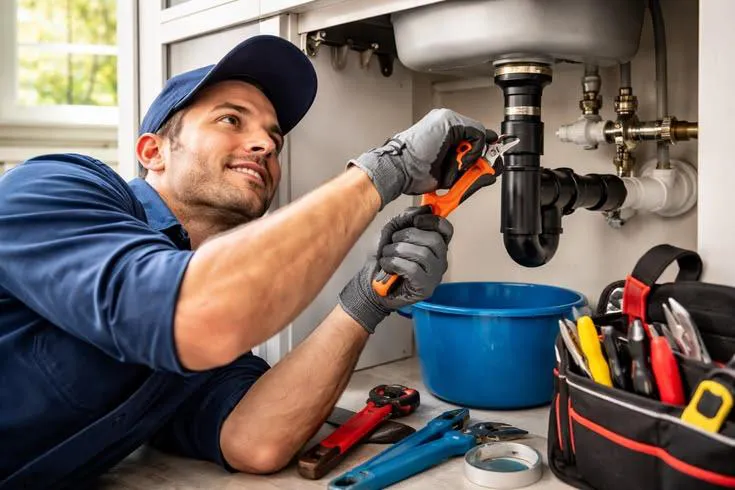
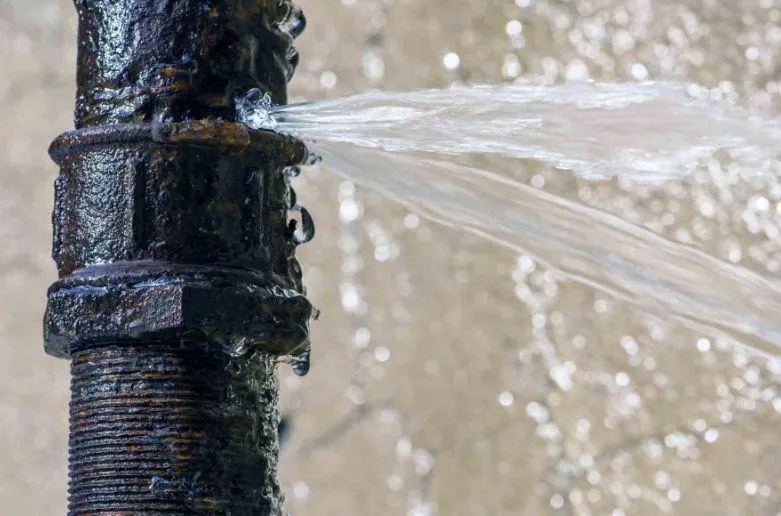
Pipe leak detection is the process of identifying the exact location of a leaking pipe without causing unnecessary damage to walls, floors, ceilings, or underground pipelines. Modern leak detection combines advanced technology with professional plumbing experience to locate hidden leaks quickly and accurately.
Instead of breaking walls at random, plumbers use specialized equipment to pinpoint the source before beginning repairs. Early detection reduces repair costs, conserves water, prevents structural damage, and helps keep the plumbing system in excellent condition.
How to Recognize Pipe Leakage Problems in Your Home
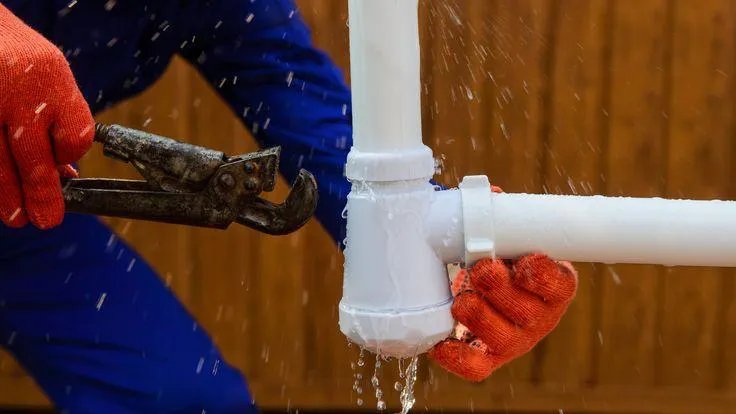
Most plumbing systems provide warning signs before a major leak develops. Paying attention to changes in water usage, wall condition, pressure, sounds, and odors can help you act before the damage becomes severe.
Common Signs of Pipe Leakage
Hidden leaks often reveal themselves through small but recurring changes around the property. These signs should never be ignored.
- Unexpected increase in monthly water bills
- Damp walls, wet spots, ceiling stains, or wet flooring
- Low water pressure without an obvious reason
- Mold, mildew, peeling paint, or damaged wallpaper
- Hissing, dripping sounds, or a constant musty odor
Common Plumbing Leaks Found in Homes
Understanding where leaks commonly occur helps homeowners identify plumbing problems earlier and protect vulnerable areas.
- Bathroom supply pipes concealed behind walls
- Loose kitchen sink connections damaging cabinets
- Old water-heater valves and pipe joints
- Underground water-supply pipes
- Slow leaks from pipes running above ceilings
How Professionals Perform Pipe Leak Detection
Professional plumbers use modern equipment to locate concealed leaks accurately while minimizing disruption to the property.
- Thermal imaging: detects temperature changes caused by hidden moisture
- Acoustic detection: identifies the sound of escaping pressurized water
- Moisture meters: measure trapped water inside walls and ceilings
- Pressure testing: finds sections losing pressure because of leakage
- CCTV inspection: checks underground pipelines and drainage systems
What Happens If Pipe Leakage Is Ignored?
Even a minor leak can create serious long-term problems when water continues entering building materials and concealed spaces.
- Structural wall damage and possible ceiling collapse
- Foundation weakening and increasing repair costs
- Mold infestation and unhealthy indoor conditions
- Electrical hazards near wiring and fittings
- Continuous water wastage and property damage
A leak that is inexpensive to repair today can become a major renovation project when left untreated.
Pipe Leak Repair Solutions
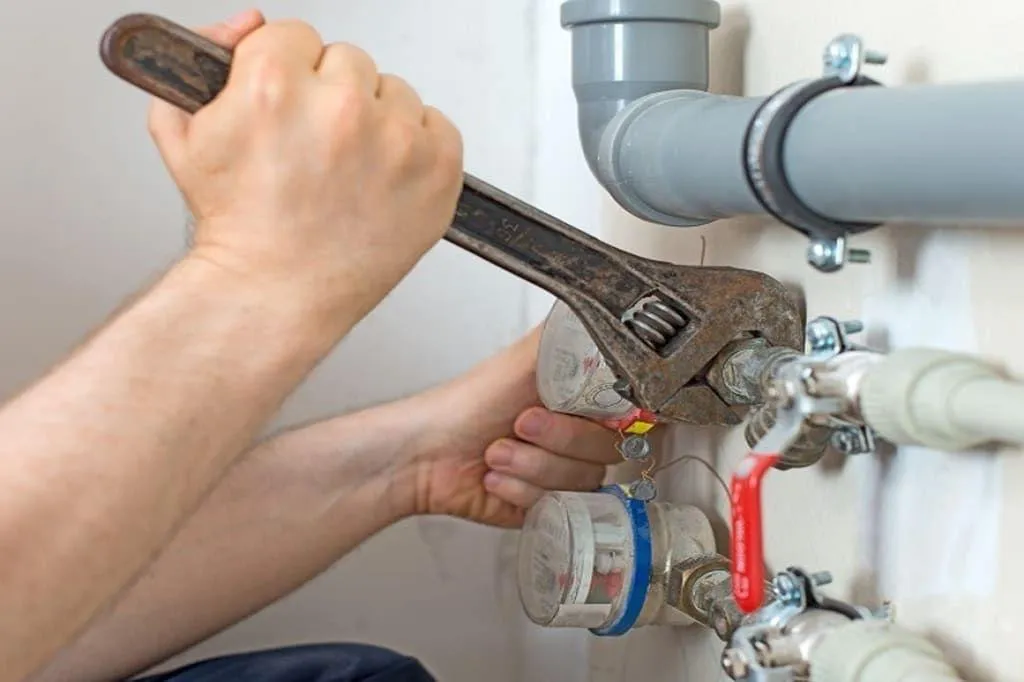
The correct repair depends on the location, condition, and severity of the leak. A professional may recommend pipe-joint replacement, pipe resealing, crack repair, partial pipe replacement, underground pipe repair, or complete replacement for ageing plumbing systems.
Quality materials and accurate diagnosis are essential for long-lasting repairs and reduced future maintenance.
When Should You Call a Professional?
Contact a leak detection specialist when you notice unexplained high water bills, low pressure, damp walls or ceilings, mold growth, water stains, continuous dripping sounds, wet flooring, or a suspected underground leak.
Locate the Leak
Inspect the warning signs and use professional thermal, acoustic, moisture, pressure, or CCTV testing to pinpoint the source.
Repair the Damage
Reseal joints, repair cracks, or replace the damaged pipe section according to the leak's location and severity.
Prevent It Returning
Check the repaired area, maintain safe water pressure, monitor water bills, and schedule regular plumbing inspections.
How to Prevent Pipe Leakage Problems
Preventive maintenance is the best way to reduce plumbing emergencies and identify weak points before they fail.
- Inspect visible plumbing regularly
- Repair minor leaks immediately
- Replace ageing pipes before failure
- Avoid excessive water pressure
- Schedule annual plumbing inspections
- Monitor monthly water bills
- Check ceilings and walls for moisture
- Keep drainage systems clean
Real Experience: Early Detection Prevented Major Damage
A homeowner contacted our team after noticing a slight drop in water pressure and a damp patch near the dining-room wall. Because the stain was small, they initially assumed it was caused by humidity.
During the inspection, thermal imaging and acoustic leak detection located a concealed leak inside the wall. The damaged pipe section was repaired before moisture reached adjoining rooms.
Had the leak remained hidden for another month, it could have damaged the flooring, electrical wiring, and interior wall finishes. Early detection prevented unnecessary property damage and a much larger repair bill.